Solar and Lunar Eclipses: What Makes Them Different?
Solar eclipses involve the Moon between Earth and Sun; lunar eclipses involve Earth’s shadow on the Moon. Compare the geometry, visibility and essential viewing precautions.
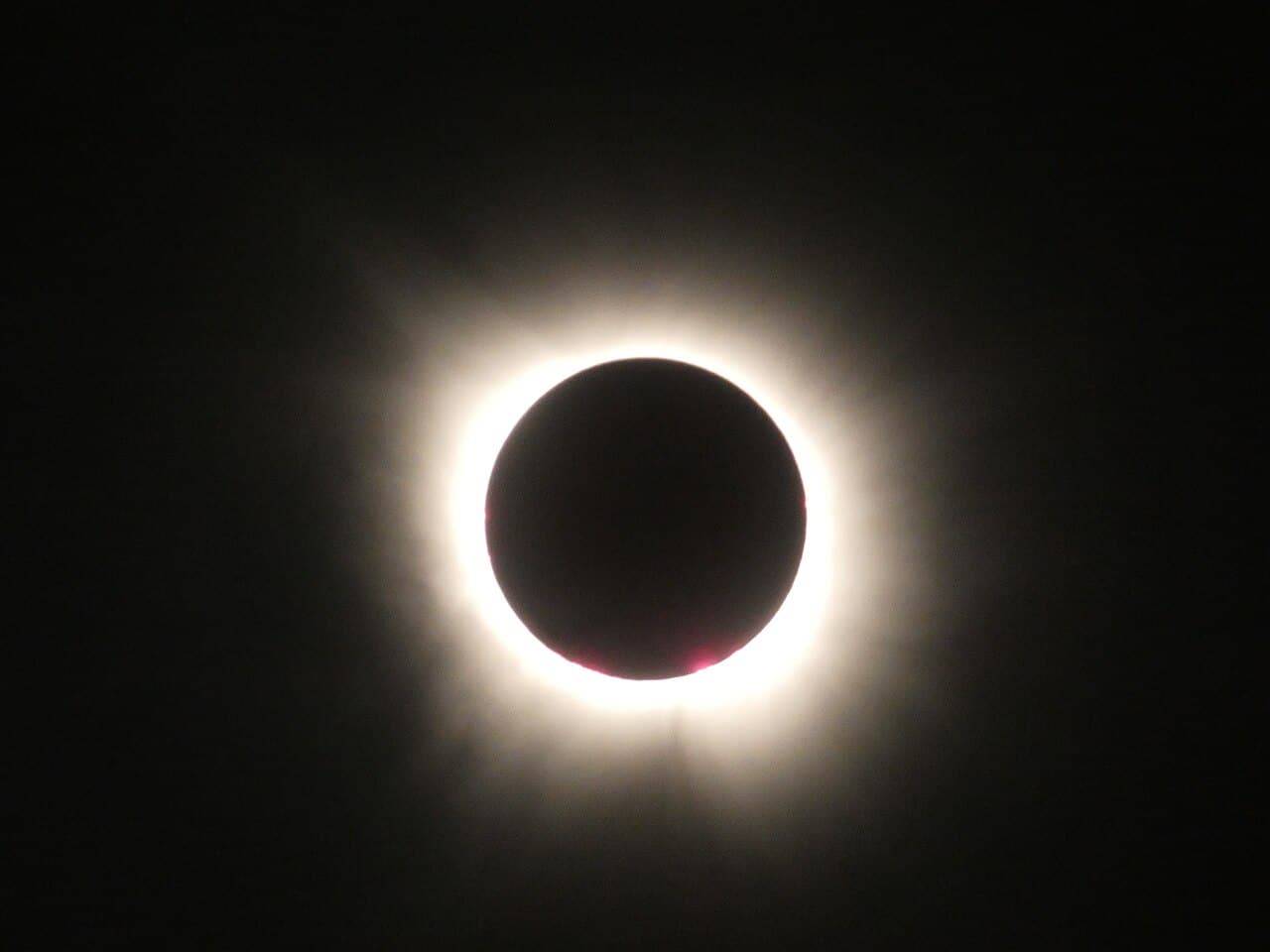
A solar eclipse and a lunar eclipse involve the same three bodies but a different arrangement. In one, the Moon passes between Earth and the Sun. In the other, the Moon moves through Earth's shadow. That simple change affects what is darkened, where the event can be seen and how it must be observed safely. Start with the geometry before trying to memorize the names of every eclipse type.
A solar eclipse changes the view of the Sun
During a solar eclipse, the Moon is positioned between the Sun and Earth so that its shadow reaches part of Earth. Observers in the relevant places see the Moon cover some or all of the bright solar disk. The event is therefore strongly dependent on where the observer stands.
The word solar identifies the object whose appearance is being eclipsed from our viewpoint. It does not mean the Sun has stopped shining or that the entire planet experiences darkness. A map showing the event's visibility is essential because the same eclipse can look very different from different locations—or not be visible at all.
A lunar eclipse changes the illuminated Moon
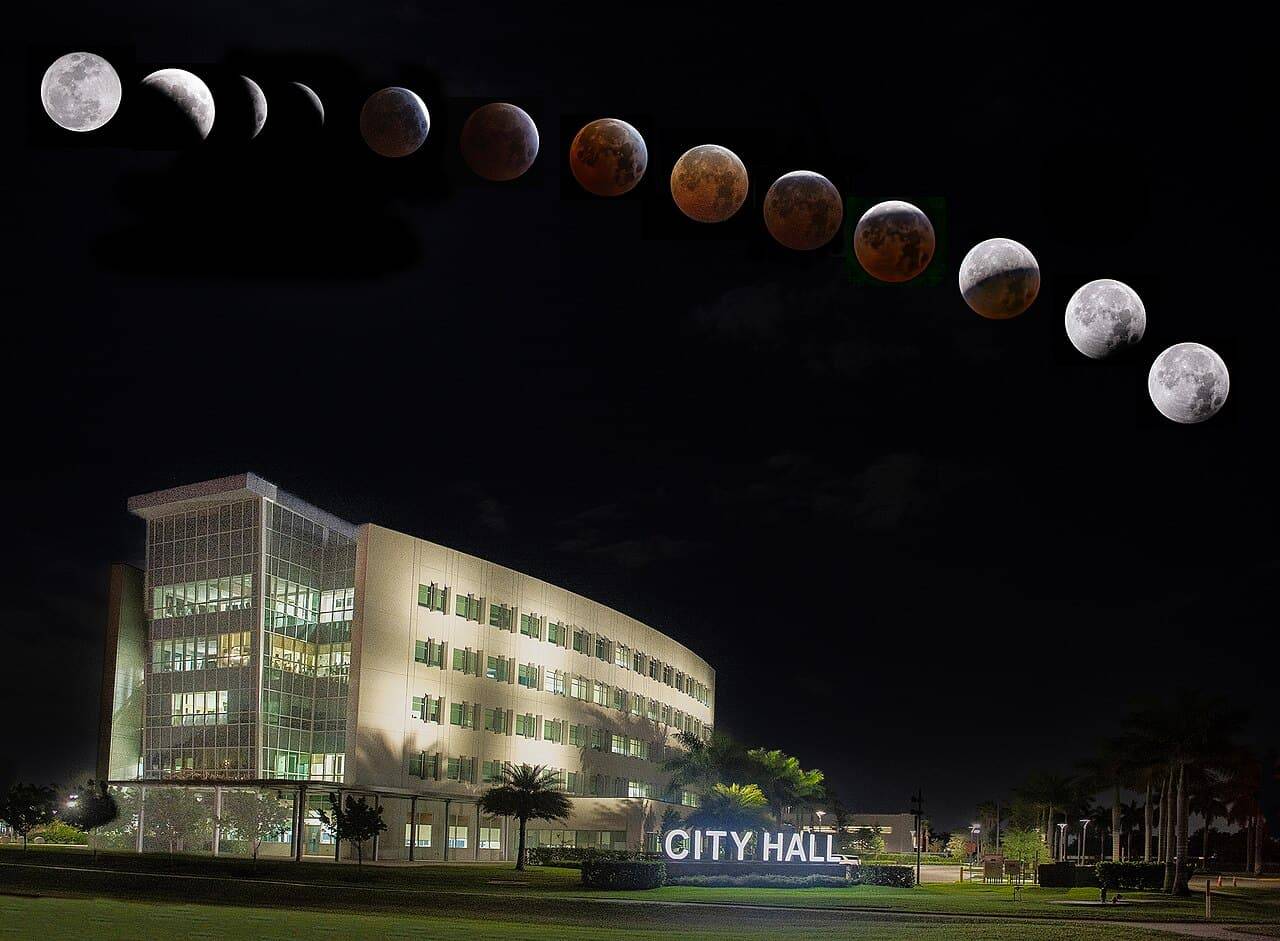
During a lunar eclipse, Earth lies between the Sun and Moon and the Moon passes through Earth's shadow. The event is associated with full Moon geometry. People who can see the Moon during the relevant part of the event may be able to observe it, subject to weather and local timing.
This differs from the narrow geographic experience of a total solar eclipse. A lunar eclipse can be visible across the night side of Earth, while the Moon remains above the horizon. That broader visibility still does not mean every location sees every stage. Check local circumstances rather than copying a time from an article written for another region.
The shadow has more than one region
NASA distinguishes the darker central umbra from the surrounding penumbra, where the Sun is only partly blocked. These regions help explain why eclipses come in different forms. A partial or penumbral lunar eclipse does not look identical to a total one, and the subtlety of a penumbral event can make it difficult to notice casually.
For solar eclipses, the apparent sizes of the Moon and Sun also matter. An annular eclipse leaves a bright ring of the Sun visible around the Moon. It is not a total eclipse with a slightly different name. The remaining bright solar surface makes the viewing precautions especially important throughout the event.
A new or full Moon does not guarantee an eclipse
If the geometry sounds familiar from ordinary lunar phases, a natural question follows: why does an eclipse not occur every month? The Moon's orbital plane is tilted relative to Earth's orbital plane. Most new and full Moons therefore do not produce the precise alignment needed for an eclipse.
Think in three dimensions rather than using a flat diagram too literally. A printed drawing often places every orbit and body on one sheet so the relationship is readable. That convenience can hide the tilt responsible for the absence of monthly eclipses. Our Moon-phase explanation separates the ordinary cycle from the special shadow event.
Solar viewing requires specialized protection
Never look directly at the bright Sun without appropriate solar-viewing protection. Ordinary sunglasses are not suitable. NASA's safety guidance explains that partial and annular solar eclipses require proper protection throughout; there is no period when the Sun's bright face is completely hidden. Consult the full current guidance before planning any viewing.
Optical equipment creates an additional hazard. Do not look through binoculars, a telescope or a camera lens while relying on eclipse glasses alone. Such equipment requires appropriate solar filters fitted correctly for the instrument. If you are unfamiliar with solar observation, use an organized event with qualified supervision or an appropriate indirect method explained by a reliable authority.
Totality is a specific, brief circumstance
NASA describes a limited exception for direct viewing during the brief total phase of a total solar eclipse, when the bright solar face is completely blocked. This does not apply to a partial view outside the path of totality, an annular eclipse or the partial stages before and after totality.
Because the distinction requires precise timing and location, read the complete safety instructions rather than relying on the word total in a general headline. A safe plan establishes what you will observe, what equipment is appropriate and when protection is required. The excitement of the event is a reason to prepare carefully, not to improvise at the last moment.
Plan around the actual event
Use an official eclipse listing and a location-specific account of visibility. Confirm whether times are local or use another standard, then check weather, access and the horizon. A date alone does not tell you whether the eclipse is above your horizon or whether your location experiences a partial, annular or total solar view.
You do not need an elaborate camera setup to appreciate an eclipse. Understanding what is aligned and what is entering a shadow can make the observation memorable on its own. Solar and lunar eclipses share a cast of three bodies, but their different arrangements create distinct experiences—and very different requirements for safe viewing.