How Library Classification Helps You Find a Book
Use a library catalog, location and full call number to find a book. Understand the purpose of Dewey and Library of Congress classification without memorizing an entire system.
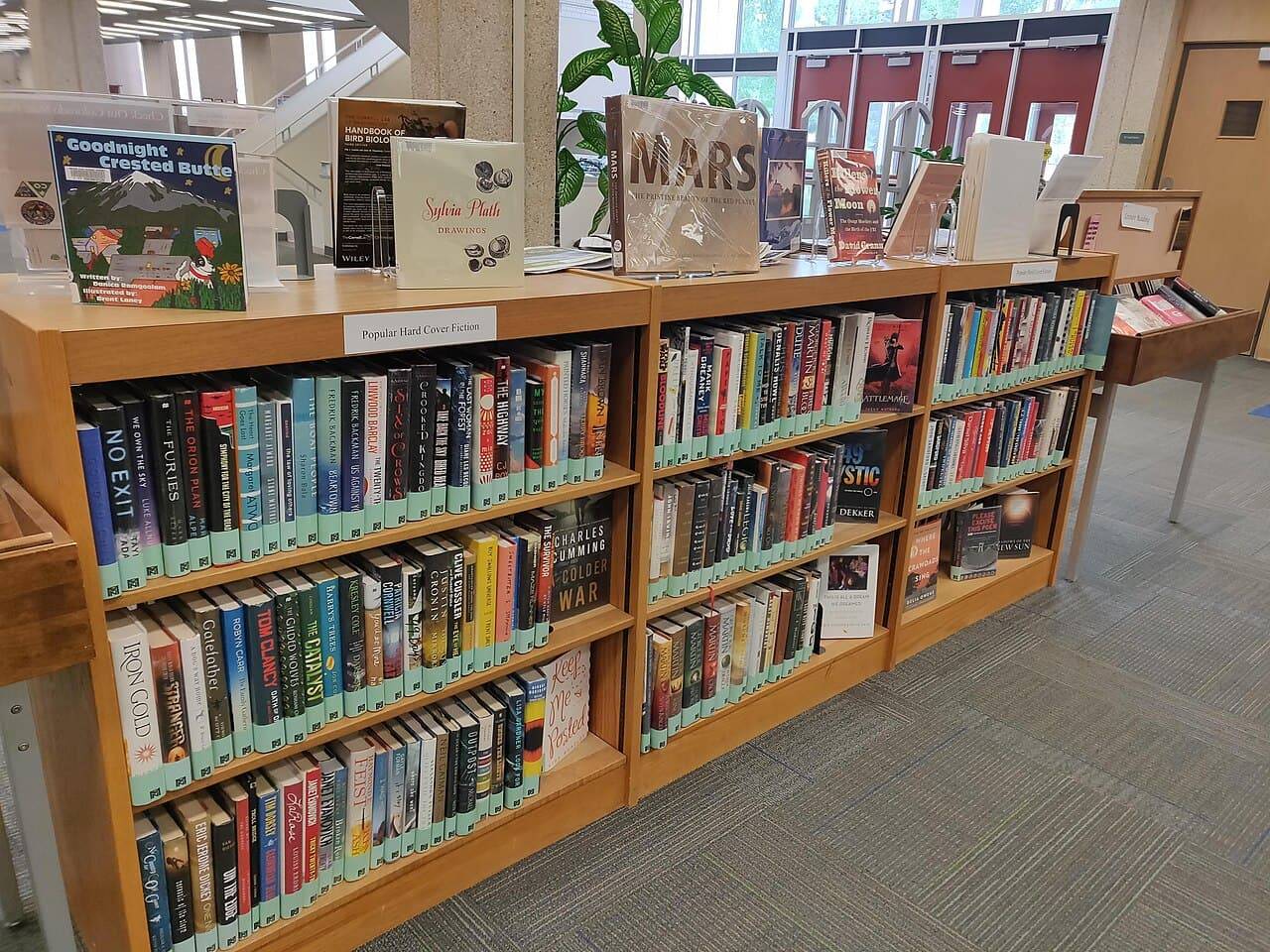
A library shelf can look mysterious when every spine carries a code. The code is there to make the collection navigable, not to test whether visitors can memorize a classification system. A catalog record, a location and a complete call number can guide you from an idea to a particular book. Once those pieces are separated, the labels become much more useful—and asking a librarian for help becomes more specific.
The catalog and the shelf perform different jobs
The catalog helps you search for material by title, author, subject and other information. The shelf arrangement gives physical items an order. A successful search result does not always mean a book is ready to pick up immediately; the record may describe a loaned copy, an electronic edition or an item kept in another location.
Begin by checking the format and availability. Then note the branch, collection or floor as well as the call number. A perfectly copied shelf code is of little use if you are standing in the wrong building. Treat the location information as part of the route rather than an optional detail beneath the title.
Classification groups material by a chosen structure
Classification systems organize knowledge into categories and subdivisions. OCLC's introduction describes Dewey Decimal Classification through ten main classes, with further divisions that make topics more specific. Library of Congress Classification uses a different structure involving letters and numbers. The two systems should not be read as though their codes follow identical rules.
You do not need to decide which system is better before finding a book. Identify the system used by the library or collection in front of you. Signs, shelf guides and staff can help. A public library, an academic library and a specialist collection may organize material differently, even within the same city.
A full call number identifies more than a broad topic
The Library of Congress explains that call numbers help organize and locate material on shelves. The complete number can include a subject component, further identifying information and a publication year. Copying only the first line may bring you to a general area without distinguishing the book you actually want.
Keep the entire call number in the order shown. A photograph or saved catalog record can be easier than a hurried handwritten abbreviation. Preserve punctuation and line order, especially when you are unfamiliar with the system. Small differences can affect shelf placement, so do not silently tidy the code into a format that looks more natural.
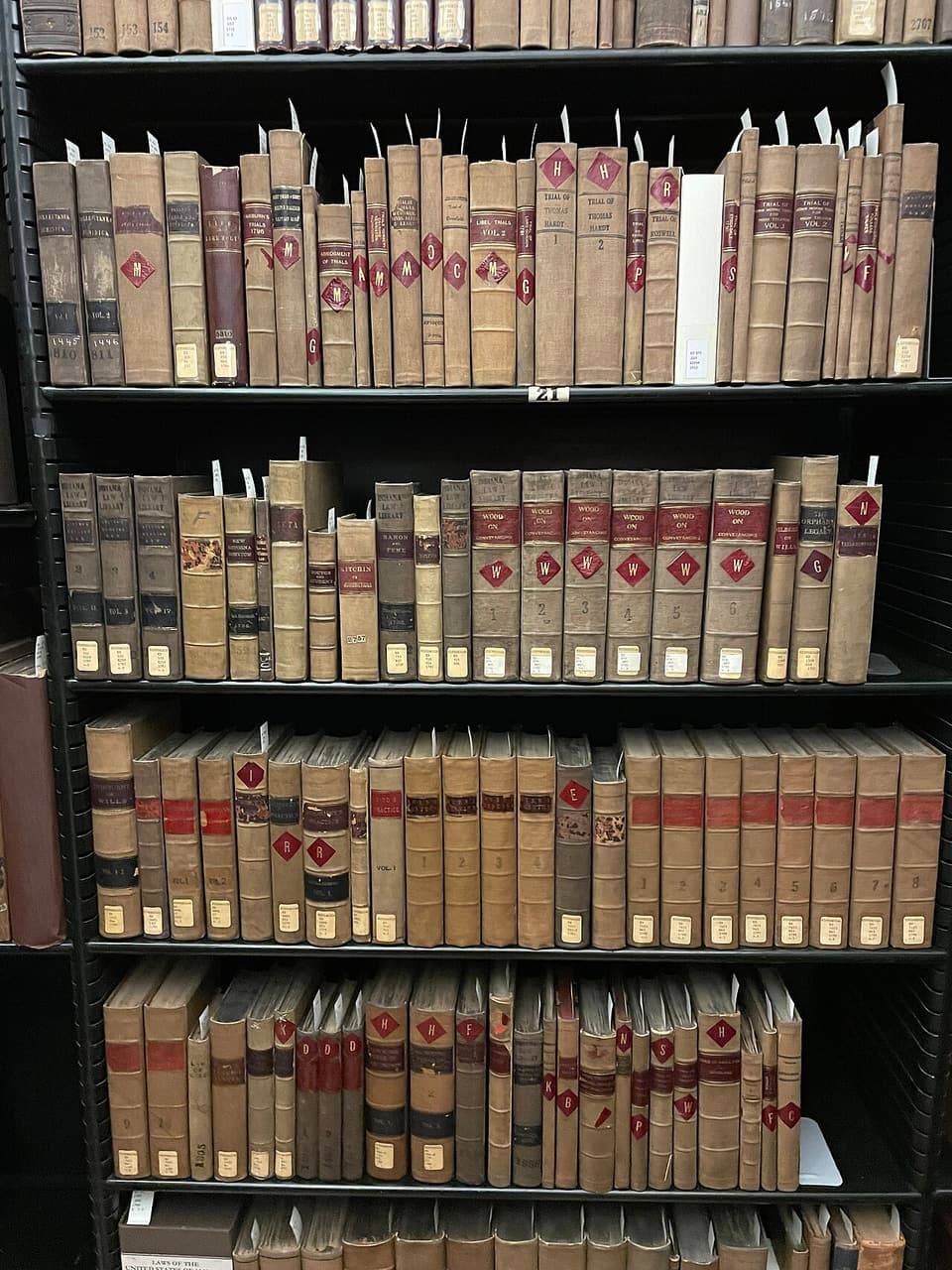
Read the shelf guide before scanning every spine
Shelf-end labels usually indicate the range housed in that section. Compare your target with those ranges to narrow the search. Once in the right area, follow the library's instructions for reading its call numbers. A code containing decimals or letter-number combinations may not sort like an ordinary whole number.
If you reach the apparent position and the book is absent, pause before concluding that the catalog is wrong. Check nearby shelves and the record's location note, then ask staff. The book may be in use, awaiting shelving or held elsewhere. A librarian can investigate possibilities that are not visible from the shelf alone.
Nearby books can become a second search method
Subject-based arrangement makes browsing productive. Once you find one relevant book, nearby material may address related topics or a more specialized part of the subject. This does not guarantee that every useful work is beside it, but it offers a physical way to discover something your original keyword search did not reveal.
Use browsing as a complement to the catalog. A multidisciplinary subject may appear in several places because works approach it from different angles. For instance, a topic involving the environment might be discussed through science, policy or history. A single shelf area cannot stand in for every possible treatment.
The system is an aid, not a neutral map of everything
Every classification structure makes choices about categories and relationships. Those choices help organize a collection, but they do not settle how knowledge must be understood. A book that seems difficult to place may cross boundaries built into the system. Asking about alternative subject headings can reveal useful search paths.
This is similar to choosing a map projection: a representation supports particular tasks and has limits. The analogy does not make library classification a geographic problem. It highlights a shared habit of asking what a system emphasizes and what may be less obvious through that arrangement.
Turn a vague search into a helpful question
If you cannot find a title, show staff the catalog record and explain what you have checked. If you need information rather than a particular book, describe the question and intended level. I need an introductory explanation for a school project gives a librarian more to work with than a single broad word.
Keep a short note of useful subject headings, shelf areas and titles as you explore. That can make a return visit easier and help you compare sources. You do not have to master the entire classification scheme to benefit from its structure.
The route is straightforward: find a suitable record, confirm its location and status, copy the full call number and use the shelf sequence. Classification turns a large collection into an arrangement people can navigate. Understanding just enough to follow that route leaves more time for the purpose of the visit—finding something worth reading.