Can Sound Travel Through Space? The Important Distinction
Sound needs a material medium, while light and radio waves can cross a vacuum. Learn why space sonifications and waves in cosmic gas do not contradict that distinction.
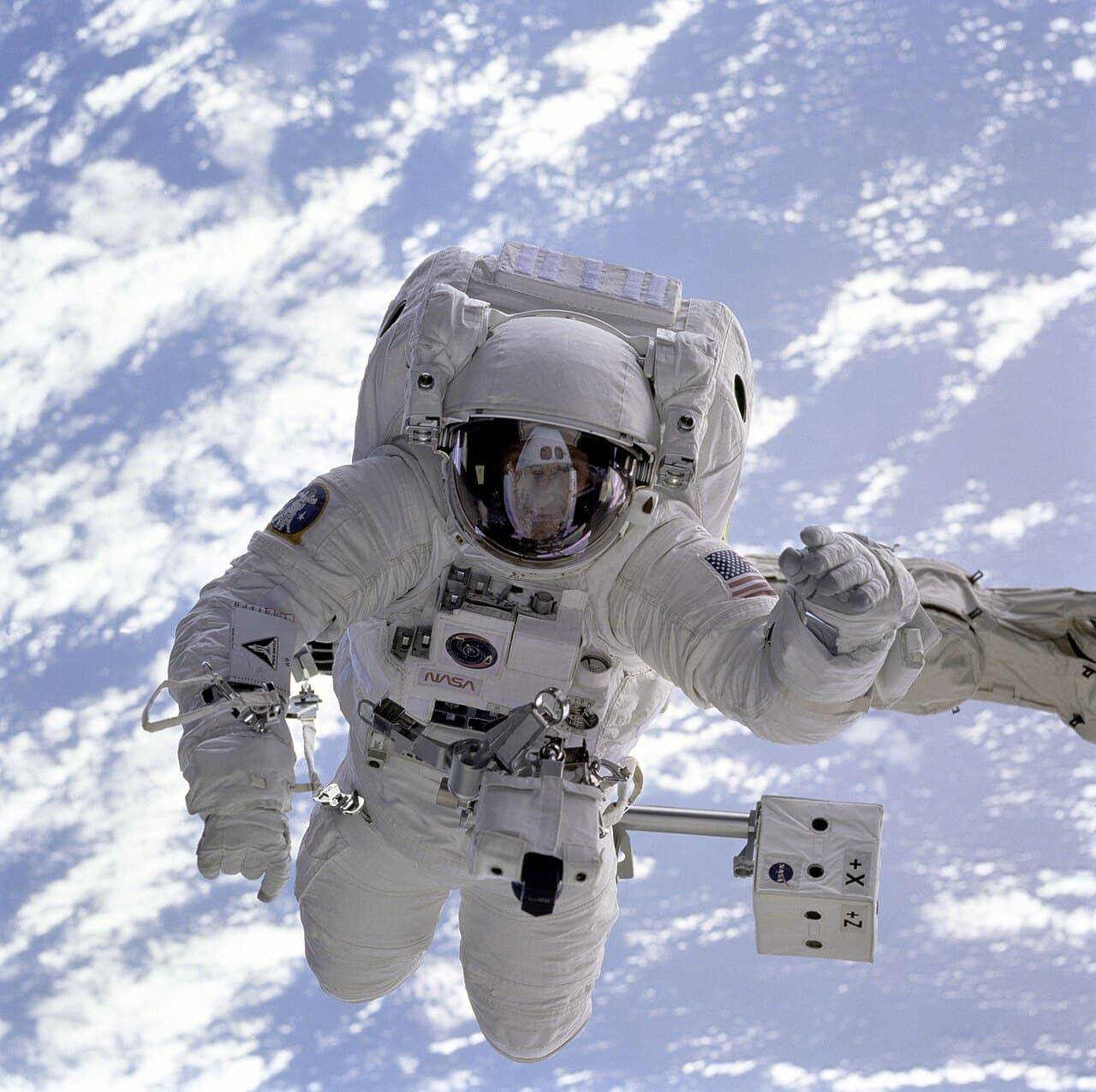
Space is silent is a useful first lesson, but it needs a little precision. Sound cannot travel through a vacuum because it requires a material medium. Yet space also contains gas, spacecraft contain air, and scientists can translate astronomical data into sound. These are different situations. Understanding the distinctions resolves the apparent contradiction between a silent vacuum and a headline inviting you to listen to the universe.
Sound is a mechanical wave
A sound wave involves disturbances passing through a material such as air, water or a solid. NASA's explanation of waves distinguishes these mechanical waves from electromagnetic waves. In a vacuum there is no material available to carry ordinary sound from one place to another. That is the basis of the familiar statement about silence in space.
The medium matters more than the label space. Inside a pressurized spacecraft, people can hear sounds because the cabin contains air and structures that transmit vibration. Outside, across a vacuum gap, the same sound does not simply continue as it would through a room. The environment has changed, so the transmission route has changed.
Light and radio do not need the same medium
Electromagnetic waves can propagate through a vacuum. Visible light and radio waves belong to that category. This explains how sunlight reaches Earth and how radio signals can be used for communication without requiring an atmosphere all along the route. Calling both phenomena waves does not mean they have identical physical requirements.
Think of wave as a broad description that still needs a type. A water wave, a sound wave and a radio wave are not interchangeable simply because each can be discussed in terms of frequency. Asking what is varying and what carries the disturbance gives a more useful explanation than relying on the shared word alone.
An astronaut's radio carries information
When astronauts communicate by radio, the sound of speech is represented by a signal that travels electromagnetically. Equipment at the receiving end turns the information into something audible again. The voice does not travel through the vacuum as an ordinary pressure wave from one person's mouth to another person's ear.
This distinction is familiar on Earth too. A remote caller's voice can reach you through a network and emerge from a speaker, but the air between you and the distant caller is not the route carrying the entire conversation. The communication system converts and transports information through appropriate media and devices.
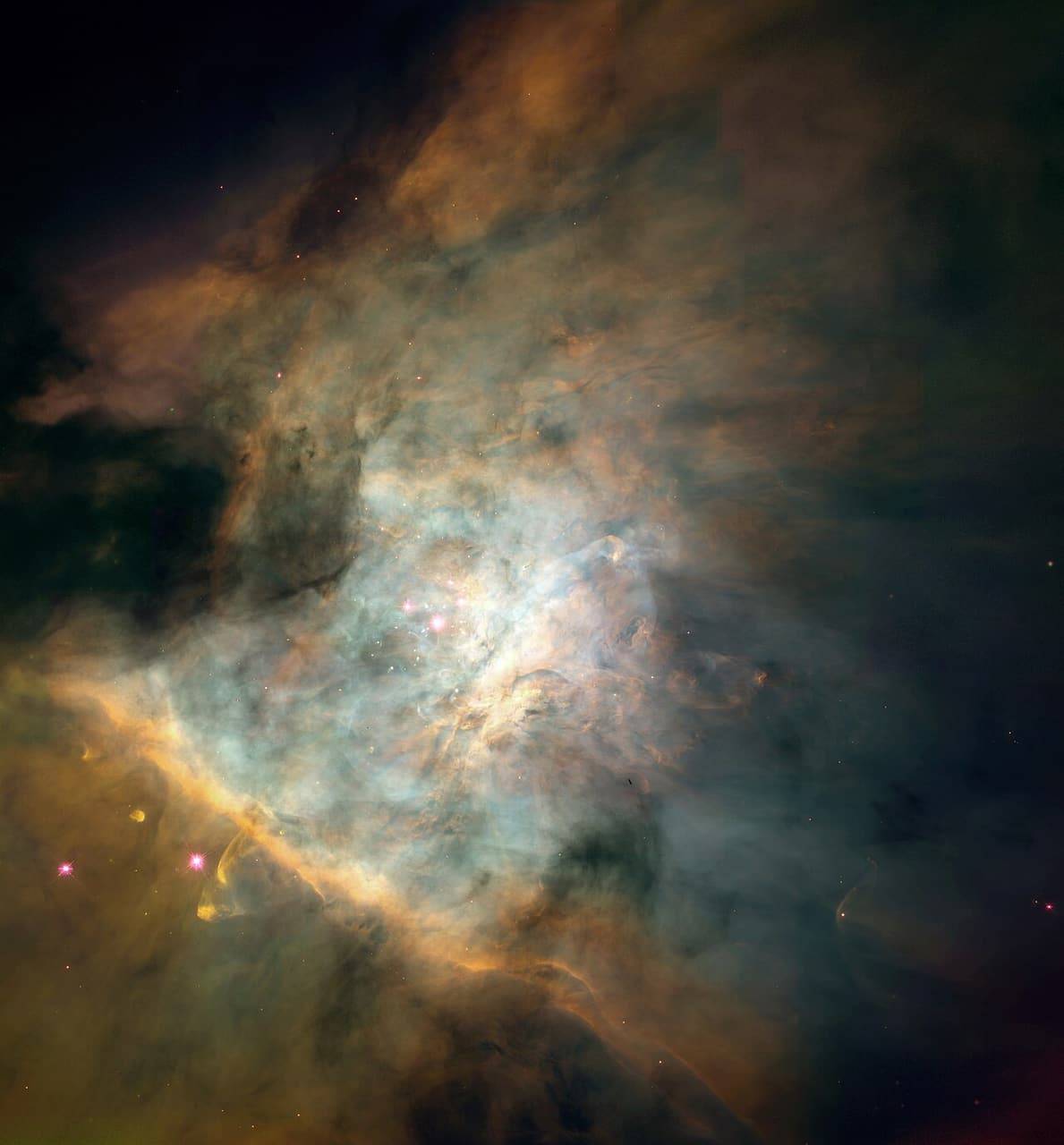
Space is not equally empty everywhere
The word space covers many physical environments. NASA's discussion of sound associated with the Perseus galaxy cluster notes that the cluster contains gas capable of supporting pressure waves. That does not contradict the rule about a vacuum; it describes a place where material is present.
However, detecting such waves is different from imagining a person floating nearby and hearing an ordinary musical note. The physical conditions and frequencies may be far outside familiar experience. The scientific observation and the audio prepared for a human audience need to be described separately if the explanation is to remain clear.
Sonification maps data into audible form
Sonification is the translation of data into sound. A project might map position, brightness or another measured quantity to pitch, volume or timing. NASA's astronomy-sonification material describes this as a way to explore and communicate data, including through accessible formats for people who are blind or have low vision.
The resulting audio can be informative without being a microphone recording made beside the object. A chart is not a photograph, yet it can represent real measurements. In a similar way, a sonification can express real data through chosen sound mappings. Read the explanation of what the audio represents rather than assuming the word listen settles the method.
Some waves are shifted into human hearing
NASA's black-hole sonification explanation describes pressure-wave signals that were resynthesized at much higher frequencies to make them audible. This is a specific processing choice with a scientific basis. It should not be confused with a raw recording of what an unaided human ear would hear in the original environment.
The important questions are what was measured, what was changed and how the final audio relates to the observation. A reliable project explains those steps. Processing does not automatically make a representation false; unexplained processing makes it harder for an audience to understand which claim the representation supports.
Read a sound-of-space headline with three questions
First, ask whether the source describes a physical pressure wave, an electromagnetic measurement or another type of data. Second, find out whether the sound was recorded locally, converted from a signal or generated through a mapping. Third, check whether frequencies or timing were altered for human listening.
Those questions are useful beyond astronomy. Images, maps and audio can all be carefully constructed representations rather than direct replicas of an experience. Their value comes partly from making otherwise inaccessible information understandable. The caption and method are therefore part of the result, not optional technical clutter.
Sound cannot cross an ideal vacuum, but the wider universe is not one uniform vacuum and scientific audio is not one uniform category. Keep the medium, the measurement and the representation separate. Then a silent spacewalk and a compelling astronomy sonification can both make sense without weakening the physics behind either.