Meteor, Meteoroid and Meteorite: What Is the Difference?
Meteoroids are objects in space, meteors are atmospheric light phenomena and meteorites reach the ground. Learn the terms, meteor showers and why a bright streak is not a falling star.
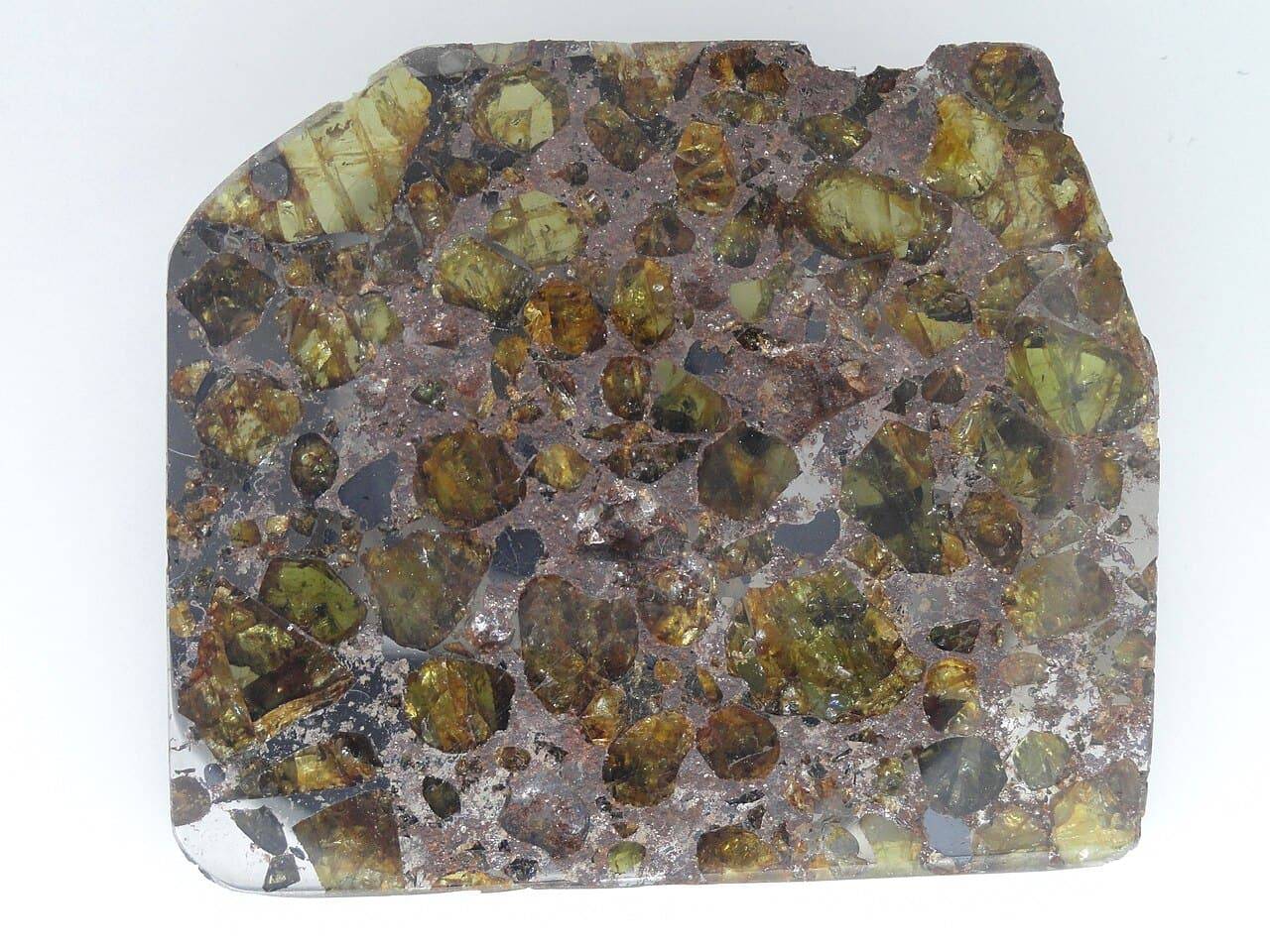
Meteoroid, meteor and meteorite sound similar because they are connected, but they do not identify exactly the same thing. The distinction follows a journey: material in space, a bright event in an atmosphere and material that survives to the ground. Once that sequence is clear, a shooting star becomes easier to describe—and it becomes obvious why watching a meteor shower does not mean a collection of rocks is landing all around you.
The three terms at a glance
| Term | What it describes | Useful distinction |
|---|---|---|
| Meteoroid | A small natural object in space | The material before atmospheric entry |
| Meteor | The luminous event associated with entry | The streak or other visible atmospheric phenomenon |
| Meteorite | Material that survives to the surface | A physical object that can be studied on the ground |
NASA uses these related terms to distinguish stages and outcomes. In ordinary speech, people sometimes use meteor for the incoming object as well, but the more precise vocabulary keeps the visible event separate from surviving material. A bright streak and a specimen in a museum are connected by physics, not identical descriptions.
A meteoroid can be very small
Meteoroids include material ranging from tiny grains to larger small bodies. Their sources include debris associated with comets and asteroids. The object does not have to resemble the large, irregular boulder shown in a dramatic illustration. Small material entering at high speed can produce a striking visible effect.
That difference between the size of the source and the appearance of the event is worth remembering. A spectacular streak is not a direct ruler for the original object. Appearance depends on the entry and viewing circumstances, so a casual observer should avoid assigning a precise size from brightness alone.
The meteor is an atmospheric event
As incoming material interacts with the atmosphere at high speed, energy is transferred and a luminous phenomenon can result. NASA's basic-spaceflight explanation discusses heating associated with compression and the glowing region around the object. Calling the event a shooting star is picturesque, but it is not a star moving across the sky.
The Sun and other stars are vastly different objects. The nickname describes an appearance from a ground-based viewpoint, not a classification. Similar-looking lights can also have different causes, so a brief sighting without a clear record should be described cautiously rather than identified with certainty from a memory of one flash.
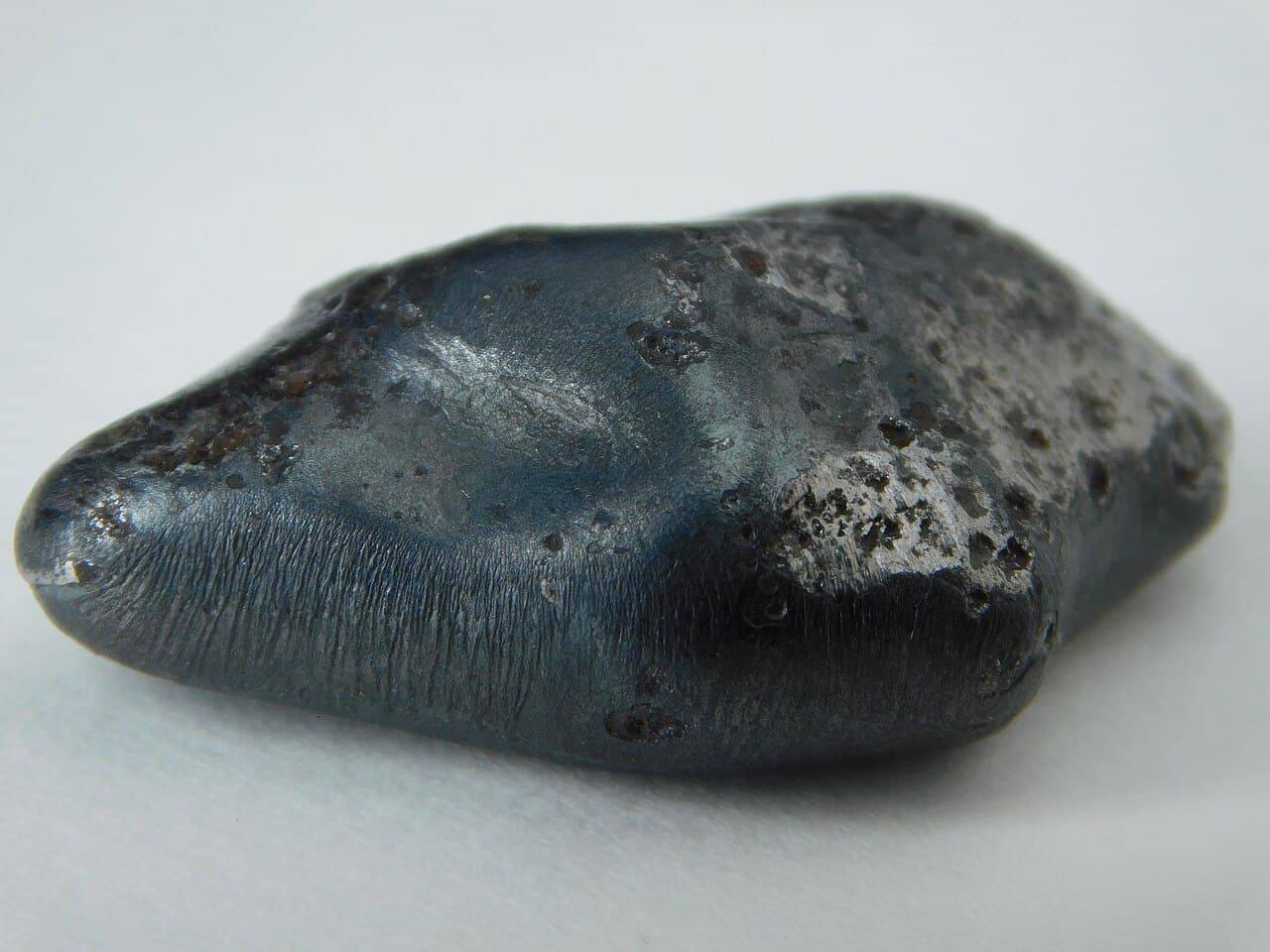
A meteorite is what survives
If material survives the atmospheric journey and reaches the ground, it is called a meteorite. Researchers can examine such material directly. Its composition and structure can provide information about the body it came from and the processes it has experienced. The physical specimen opens questions that a distant streak alone cannot answer.
Not every meteor produces a recoverable meteorite. NASA explicitly cautions against expecting to find meteorites after an ordinary meteor shower. The terms describe a possible sequence, not a guarantee that each stage produces a convenient object waiting beside the observer's feet.
A shower comes from a recurring encounter
Meteor showers occur when Earth encounters streams of debris, often associated with a comet. Many meteors can then appear over a period of time. The shower's radiant is the direction in the sky from which the paths appear to originate, rather than a physical point just above the atmosphere launching particles toward the viewer.
Perspective is important. Apparent paths can converge in a view even when the incoming material is following related trajectories through space. You do not need to stare only at the radiant to notice meteors across the sky. Use a reliable observing guide for the particular shower and location instead of relying on a generic illustration.
An advertised rate is not a personal guarantee
The number an observer actually sees depends on darkness, weather, the Moon, the horizon and the shower's timing. A rate quoted under idealized conditions is not necessarily what one person will count from a bright urban balcony. Read the assumptions behind a prediction before treating it as an appointment for a fixed number of streaks.
Choose a safe, permitted observing location and allow time to become familiar with the sky. Dress for the conditions and avoid stepping into roads or unfamiliar terrain while looking upward. A simple comfortable position can be more useful than carrying equipment that narrows the view or makes the outing harder to manage.
A dark rock is not automatically a meteorite
Many ordinary terrestrial materials look unusual enough to invite a dramatic identification. Appearance alone is insufficient to establish an extraterrestrial origin. If you suspect a find is significant, use the identification and reporting guidance of an appropriate museum, geological institution or local authority, and respect land ownership and collection rules.
Keep the context of a possible find rather than inventing a story about its origin. Where it was found and what was actually observed are more useful than a confident label based on weight or color. Specialist assessment is a different activity from enjoying a meteor shower.
The vocabulary follows the evidence: meteoroid in space, meteor as the atmospheric light event and meteorite for surviving material on the surface. That small distinction connects the fleeting experience of looking upward with the solid objects studied in laboratories. Both are interesting, and each becomes clearer when given its proper name.