Lucille Ball and Desilu: The Production Story Behind the Star
Lucille Ball’s legacy includes performance, production and studio leadership. Explore I Love Lucy, Desilu and the business structure behind one of television’s most familiar stars.
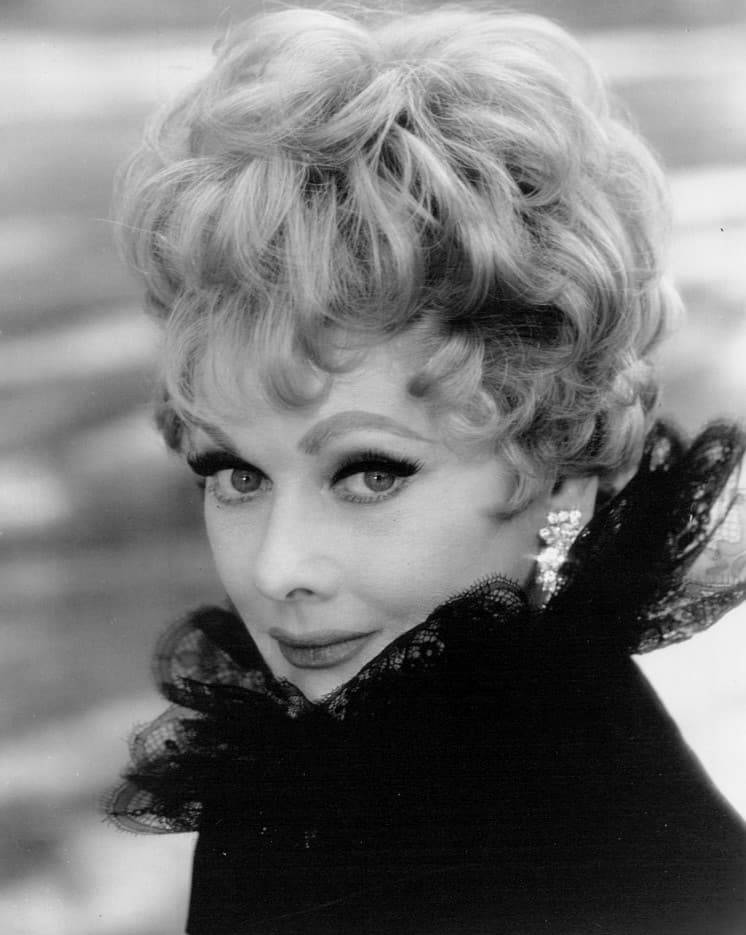
Lucille Ball is remembered through scenes that seem instantly recognizable: a comic plan, rising complications and a face trying to keep control as everything goes wrong. Yet the performance was only one part of her television career. The production company Desilu placed Ball and Desi Arnaz within the business of making programs as well as appearing in them. Looking at that structure gives a fuller picture of a star whose work extended beyond the moment the audience laughed.
A familiar character is not the whole person
Ball's screen roles became closely associated with her public image, particularly through I Love Lucy. The Television Academy identifies her as a performer and producer and records a career spanning several television series. The distinction between the actor and the character matters: comic confusion on screen is not evidence of confusion about the work behind it.
An audience can enjoy a scene without thinking about the rehearsals, camera positions or business arrangements that made it possible. That invisibility is part of successful entertainment. A production history restores those layers without diminishing the pleasure of the performance. The scene becomes a finished piece of work rather than an apparently spontaneous accident.
I Love Lucy arrived in 1951
The Television Academy's account places the CBS premiere in 1951 and emphasizes the series' lasting influence on television comedy. It also highlights the creative and business control Ball and Arnaz gained through Desilu Productions. Their position as company principals changes how the show's success should be understood.
The program was not simply an opportunity someone handed to a performer who then became famous. Its making involved decisions about how television could be produced and retained as a valuable body of work. A successful character and a production business supported each other, even though they were different kinds of achievement.
Cameras and audience were part of the method
The Academy credits Arnaz and the production team with pioneering the use of a three-camera filming arrangement before a live studio audience. The important point is the coordinated production method. Camera coverage, performance and audience response had to function together, rather than existing as separate accidents of the finished broadcast.
Avoid turning that account into a claim that one person invented every element of television production. Technologies and methods have histories, and a working arrangement usually depends on several kinds of expertise. Giving the team and system their place makes the achievement more substantial than a simplified invention legend.
Comic clarity depends on controlled information
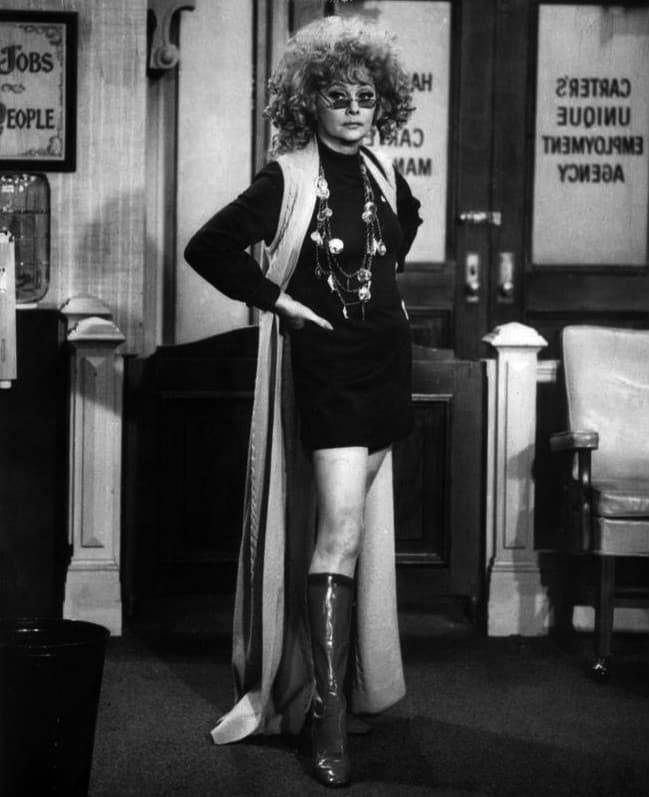
Watch a Ball sequence with a practical question: what does the audience know at each moment? A plan is established, a complication becomes visible and the character responds. The viewer needs enough information to understand the problem before the response can produce its full effect. Confusion for the character can coexist with clarity for the audience.
That is an observation about comic construction, not a claim about a private intention unless documented by the people involved. It gives a viewer something to notice in an ordinary scene. Timing is not only the length of a pause; it includes when a situation becomes legible and how the next beat changes it.
Desilu widened the business story
In 1962, Ball became the first woman to run a major television studio, according to the Television Academy's biography. The account identifies Desilu with productions including Star Trek and Mission: Impossible. That connection is often surprising because those programs do not resemble the comic world most closely associated with her screen persona.
Running a studio and creating every detail of every program are different claims. The documented leadership role is significant without exaggerating it into sole authorship. A production company coordinates people, resources and projects, and its output can extend well beyond the personal genre or image of the executive associated with it.
Recognition reflects several phases of a career
The Academy records four Primetime Emmy wins for Ball, with recognition connected to more than one television period. Its biography also notes her 1984 induction into the Television Academy Hall of Fame. These facts help establish the breadth of the career without requiring every series to be treated as identical in style or reception.
An awards list is useful evidence of recognition, but it is not a substitute for watching the work or understanding its production context. Use the dates to organize the chronology, then examine what changed between projects. A long career is a sequence of working situations rather than one character repeated without history.
Rewatch with the production in mind
On another viewing, notice entrances, objects, camera coverage and the relationship between dialogue and physical action. Ask how the audience is guided through the scene and where attention shifts. Then look at the credits and reliable production history to connect the visible effect with the people who helped create it.
This approach allows appreciation to move in both directions: from the performer to the system and from the system back to the performer. Ball's comic ability remains central, while the surrounding organization becomes visible. Desilu does not compete with the familiar screen image; it explains another dimension of the career that made that image possible.
Lucille Ball's television story is therefore both artistic and institutional. The laughter is the most immediate evidence, but the production method and studio leadership deserve attention too. Together they show why a lasting screen presence can also be a substantial force in the business that produces the screen.