How Time Zones Changed the Way We Keep Time
Time zones made shared schedules possible across distant places. Explore local solar time, railway standardization and why a city and date matter when arranging events today.
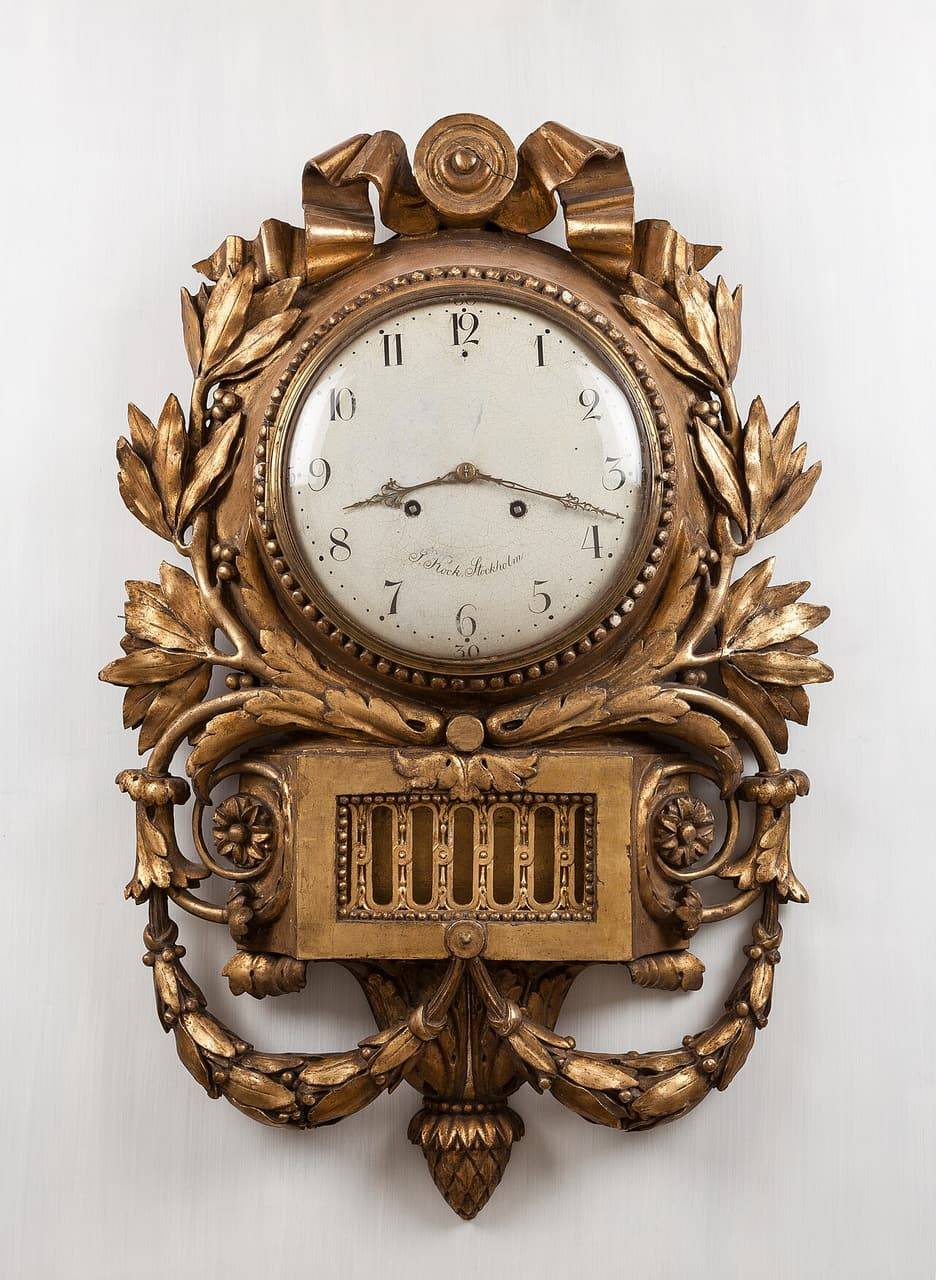
A clock can tell you the time precisely and still leave an important question unanswered: the time where? Time zones make it possible to attach a shared meaning to a clock reading across a region. Their history connects astronomy with railways, communication and public agreement. The system seems ordinary because we use it constantly, but it replaced a world in which nearby towns could follow slightly different local times.
Local noon was a place-specific reference
Solar time is connected to the Sun's apparent position at a location. Places at different longitudes do not reach the same solar position simultaneously. Before widely shared standards, local time could therefore differ from town to town. Royal Museums Greenwich explains how this arrangement became increasingly awkward as transport and communication connected distant places more closely.
The difficulty is not hard to imagine. A local appointment works if everyone nearby uses the same clock. A journey involving several towns creates a different problem: the departure time, intermediate stops and arrival time need to be compared. The faster the journey and communication, the more inconvenient a collection of separate local references becomes.
Railways needed schedules people could compare
British railway companies adopted a common time across their networks to reduce confusion in timetables. The Greenwich account records the Railway Clearing House's adoption of Greenwich Mean Time in 1847 and the later establishment of GMT as Britain's legal standard in 1880. Standardization was a practical response to coordination, not merely an abstract astronomical preference.
In North America, NIST's historical account describes railroads implementing a standard-time plan on November 18, 1883. The details differed from the British story, but the underlying challenge was similar. A network needed a time system that could connect its parts without requiring every traveler to interpret a new local convention at each stop.
A shared reference does not erase geography
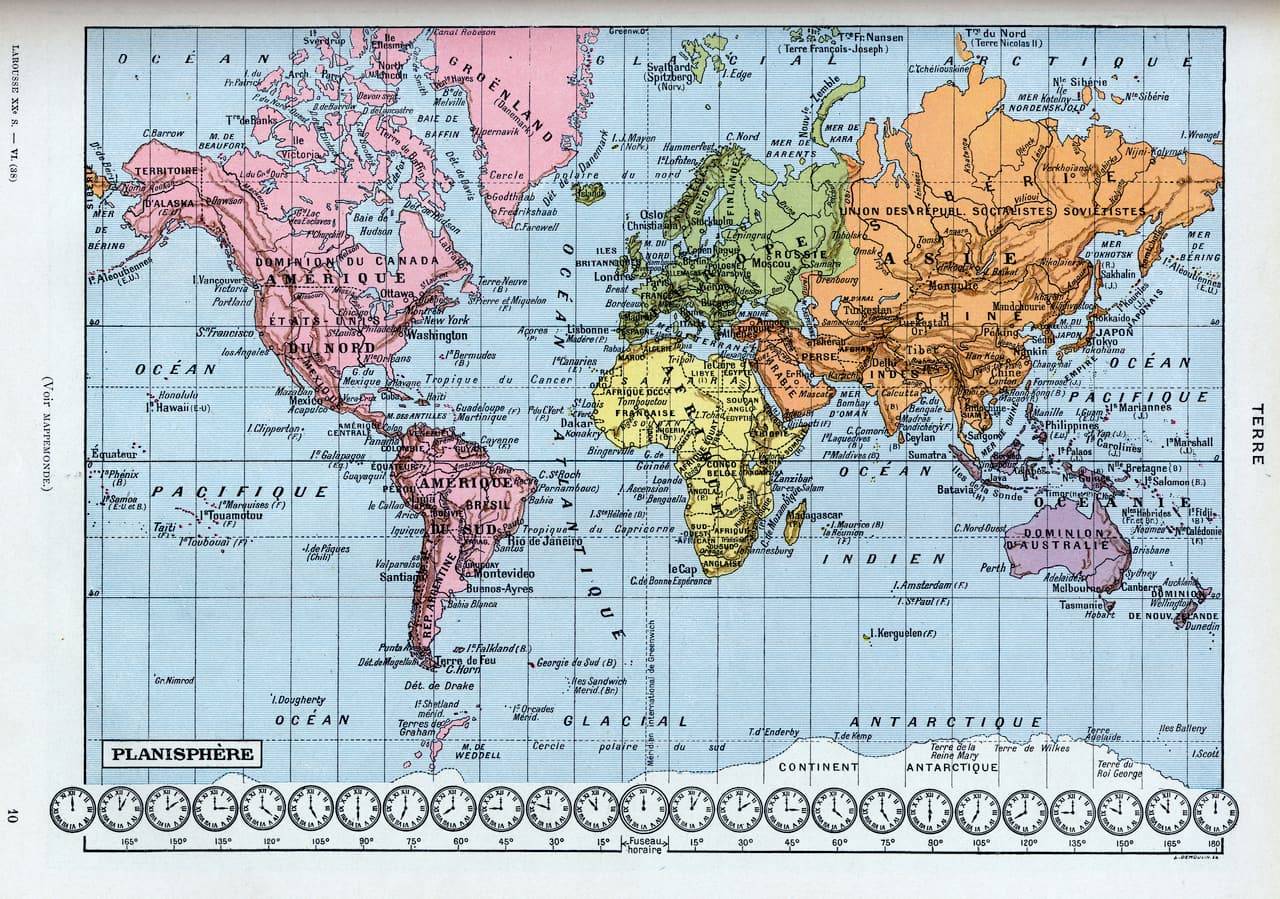
Time zones coordinate clock readings across regions, while Earth's rotation continues to produce different relationships between local daylight and the clock. A zone is an agreement about civil time, not a physical line visible on the ground. Its boundaries need not follow a simple geometric strip on a map.
This is why a diagram of equally spaced bands is best understood as an introduction. Real boundaries reflect human decisions and jurisdictional arrangements as well as longitude. To find the time in a particular place, use current location-aware information rather than measuring a position on a simplified world map.
GMT and UTC belong to related but distinct stories
Greenwich Mean Time has a long role in the history of time standards. Coordinated Universal Time, or UTC, provides the modern reference used by services such as those described by NIST. In ordinary planning, a UTC offset expresses how a local clock relates to that reference at the relevant moment.
Do not assume the history means every familiar label is interchangeable in every context. A name can refer to a historical standard, a present civil-time convention or a colloquial description. Precision matters especially in technical records and international schedules. State the intended reference clearly instead of relying on everyone to interpret an abbreviation the same way.
Daylight saving adds a date-dependent change
Some places change their clocks seasonally and others do not. The current rules are jurisdiction-specific and can change. NIST explains that its time services broadcast UTC while local and daylight-saving adjustments are handled by systems using the appropriate information. A remembered offset is therefore not always enough to arrange an event months ahead.
Use both place and date when checking a future meeting. Two cities that differ by one number of hours today may not keep that difference throughout the year. The useful habit is to create the event in a calendar with an explicit location-based time zone, then review how it appears for the participants.
A clock reading can cross a date boundary
International scheduling involves dates as well as hours. An evening in one place may be the following morning somewhere else. Write the date beside the time and check each participant's local view. A message saying Friday at nine is incomplete if people are using different regions and no shared reference has been established.
For public events, include a clear location or time zone and provide a reliable conversion where appropriate. Avoid a long list of manually calculated times if the event will be updated; one changed time can leave the list inconsistent. The most useful presentation makes the intended instant easy to identify and changes easy to propagate.
Better tools still depend on clear inputs
Phones and computers can handle conversions, but they need correct settings and current time-zone data. A calendar entry created in the wrong zone can be consistently displayed and still refer to the wrong instant. Check the event's actual time-zone field rather than relying only on the clock shown in a screenshot.
The history of standard time offers a practical lesson: coordination requires agreement about references. Railways made that need impossible to ignore, and global communication keeps it relevant. A date, a place-based zone and a clear clock reading are small details, but together they turn local time into a schedule other people can use.