How Paper Recycling Works and What Gets in the Way
Follow paper from a recycling bin through sorting, pulping and new products. Learn why local acceptance rules, clean material and fiber quality matter to the process.
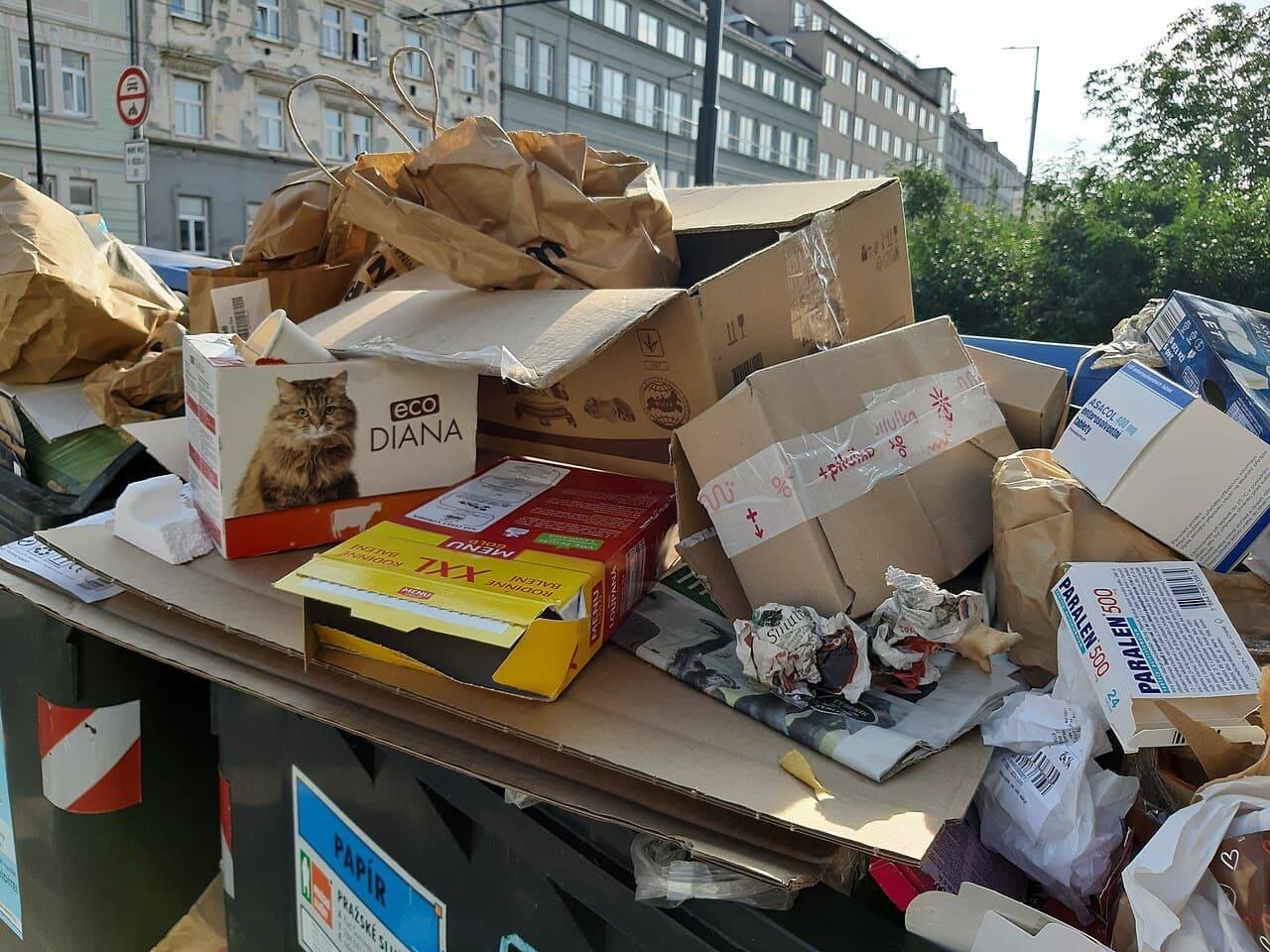
Putting a sheet of paper in a recycling bin is the beginning of a process, not its completion. The material still has to be collected, sorted, prepared and made into something usable. Understanding those stages explains why local instructions matter and why a paper-like item is not automatically suitable for every collection. The useful question is not simply whether paper can be recycled, but whether this particular material fits the system receiving it.
Collection starts with a local decision
Recycling programs differ in the materials they accept and how those materials should be presented. A household collection, an office service and a dedicated drop-off point may have different instructions. Check the current guidance for the service you actually use rather than following a general symbol or advice from another city.
This is especially important for items that combine paper with coatings, plastic layers or other materials. Their appearance alone does not establish how a local processor can handle them. Keep a short list of common household uncertainties and look them up through the program's official information. One correct answer is more useful than repeatedly guessing.
Sorting prepares material for the next stage
The EPA describes collection, processing and remanufacturing as the main stages of recycling. At a processing facility, material is sorted and contaminants are removed before it is prepared for a mill or other manufacturer. The precise route depends on the collection and material, so not every sheet travels through an identical sequence of machinery.
Sorting matters because a mixed collection is not yet a suitable manufacturing input. A paper mill needs material it can use. A household's correct preparation contributes to that process, while inappropriate items can create work or interfere with the quality of what is recovered. The bin is a collection point, not a machine that automatically makes every item recyclable.
Paper can become pulp again
Recovered paper is processed so its fibers can contribute to new paper products. Pulping separates and suspends fibers, with further cleaning and treatment suited to the material and intended output. The exact industrial steps vary, but the central transformation is from an existing paper object back toward usable fiber material.
Think about the difference between reusing a cardboard box and recycling its fibers. Reuse keeps the object largely intact for another job. Recycling changes the material so it can be made into a new product. Both can be useful, but they are different routes. A box that still performs a needed job does not have to be discarded merely because a recycling route exists.
Fiber quality limits endless repetition
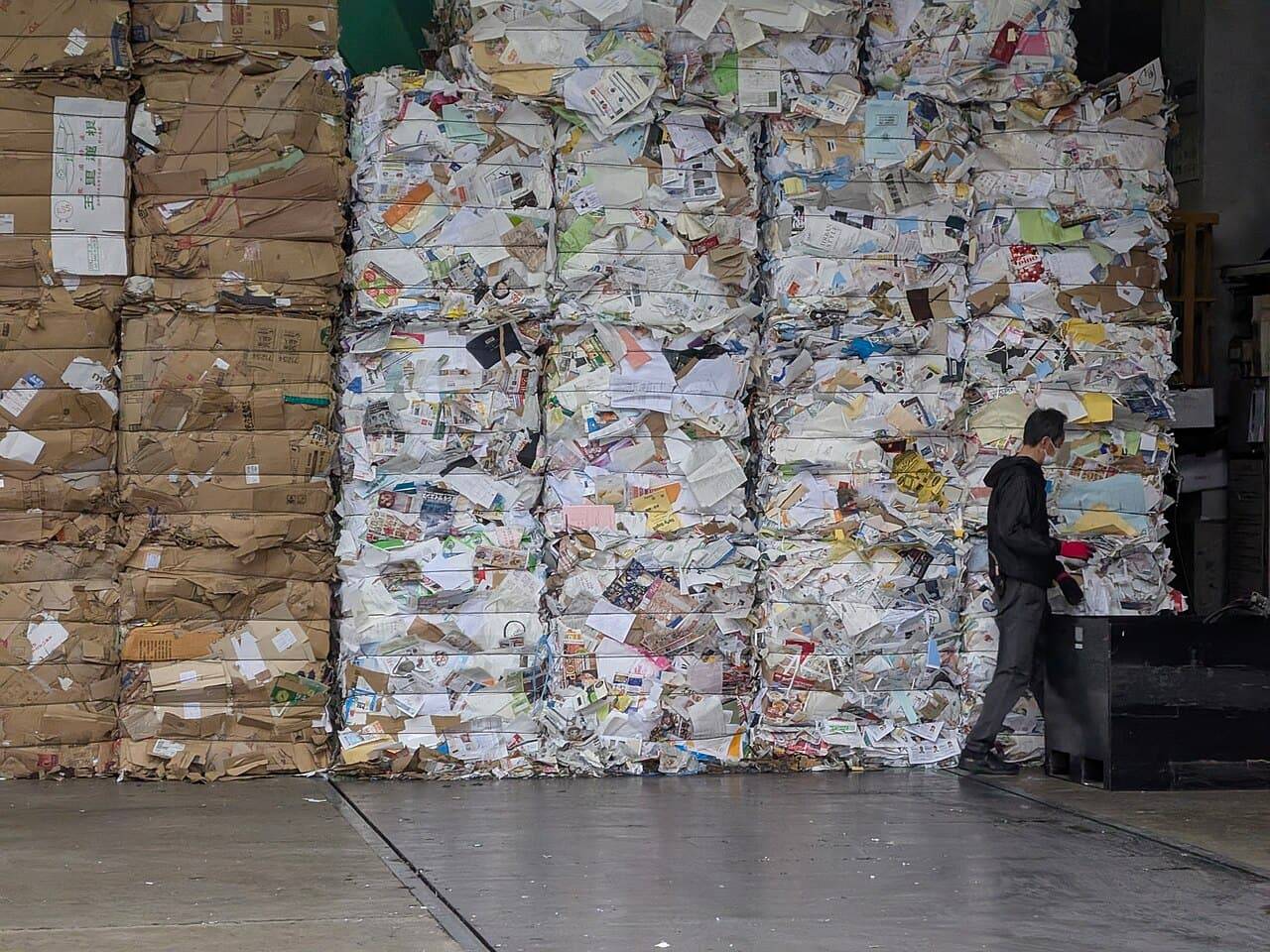
Paper fibers do not remain unchanged through unlimited recycling. The EPA's archived explanation notes that fibers become shorter through repeated processing and that unusable material must be replaced. This is a material limitation, not a reason to conclude that one trip through the recycling system has no value.
Avoid turning a general explanation into an exact personal counter for one sheet. You usually cannot tell how many previous cycles contributed to its fibers. A finished product may contain a mixture of recovered and new fiber. The useful lesson is that recycling is a managed material process, not an infinitely perfect loop with no losses or additional inputs.
Clean and dry is a practical starting point
Follow local preparation instructions and keep paper away from avoidable food and liquid contamination. An appropriate recycling container should make correct sorting easy where the waste is generated. If the only nearby bin is general rubbish, even a well-intentioned household or office may repeatedly take the less useful route.
Do not wash paper as though it were a reusable container. Check what the program means by acceptable condition and what it says about stained, wet or food-soiled items. Some familiar examples have nuanced rules, so a blanket claim that every marked package belongs in the same bin can be misleading.
A label does not replace program guidance
A package may contain recycled material, be theoretically recyclable under certain conditions or carry instructions for separating components. Those are different claims. Read the wording rather than treating every environmental-looking symbol as confirmation that the whole object belongs in household paper collection.
For a mixed package, identify the components and follow the local instructions for each. If an item is not accepted, adding it anyway does not expand the facility's capabilities. The EPA emphasizes checking community rules because processing systems and available outlets differ. Good intentions work best when paired with the right destination.
New products complete the material journey
Recovered fiber becomes useful when it is made into an appropriate new product. That is why the recycling system includes manufacturers and demand for recovered materials, not only collection trucks. The final product need not resemble the original sheet or box. Different grades and processes support different uses.
For consumers, the practical approach is modest: use paper thoughtfully, reuse suitable items, separate accepted material correctly and understand what recycled-content labels actually say. There is no need to invent a precise environmental saving for every individual action to explain why careful material handling matters.
Paper recycling becomes clearer when the entire route stays in view. Collection gathers the material, processing prepares it and manufacturing gives recovered fibers another job. Local rules connect your bin to that wider system. Checking those rules and avoiding contamination are small decisions, but they are decisions the next stages depend on.